
ACERIS helps you define which configuration fits your installation and coordinates the project with Qualicard. Installation and commissioning is carried out by the brand's technical team or authorized installers depending on the project.
Access control
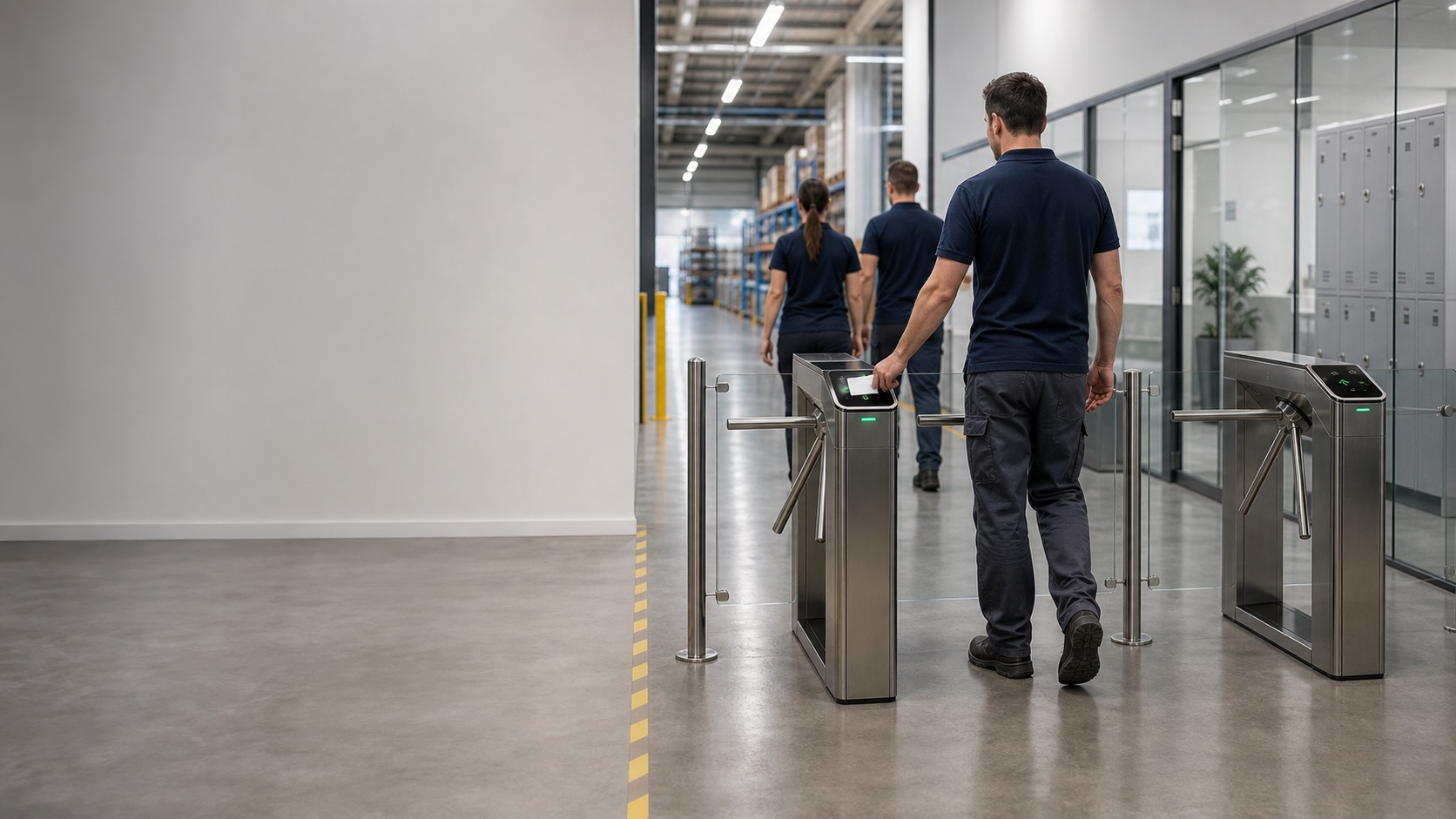
Access control for employee entrance
Solutions to organize and control the daily access of employees in factories, warehouses, warehouses, offices, logistics centers and work buildings.
When does it make sense to control employee entry?
In many companies, the daily entry of employees is one of the busiest accesses. At first thing in the morning, during shift changes or during repeated entries and exits during the day, it is important that the passage is agile, orderly and controlled.
Controlling this access allows differentiating employees, visitors, suppliers or external personnel, limit passage to authorized people and record movements if the system is prepared for it. In factories, warehouses, warehouses, logistics centers and office buildings, this point is usually key for security and internal organization.
The solution may vary depending on the environment. In some cases a tripod turnstile fits for robust and controlled access. In others, a speed gate may be more suitable if you are looking for a more corporate image or a more comfortable flow. In addition, an accessible PMR or alternative passage should be provided when necessary.
It is important to distinguish between access control and time and attendance. Access control decides who can pass through an area. time and attendance records days, clockings and work times. They can coexist in the same project, but they are not exactly the same and it is advisable to clearly define what the company needs.
This is how employee access control works
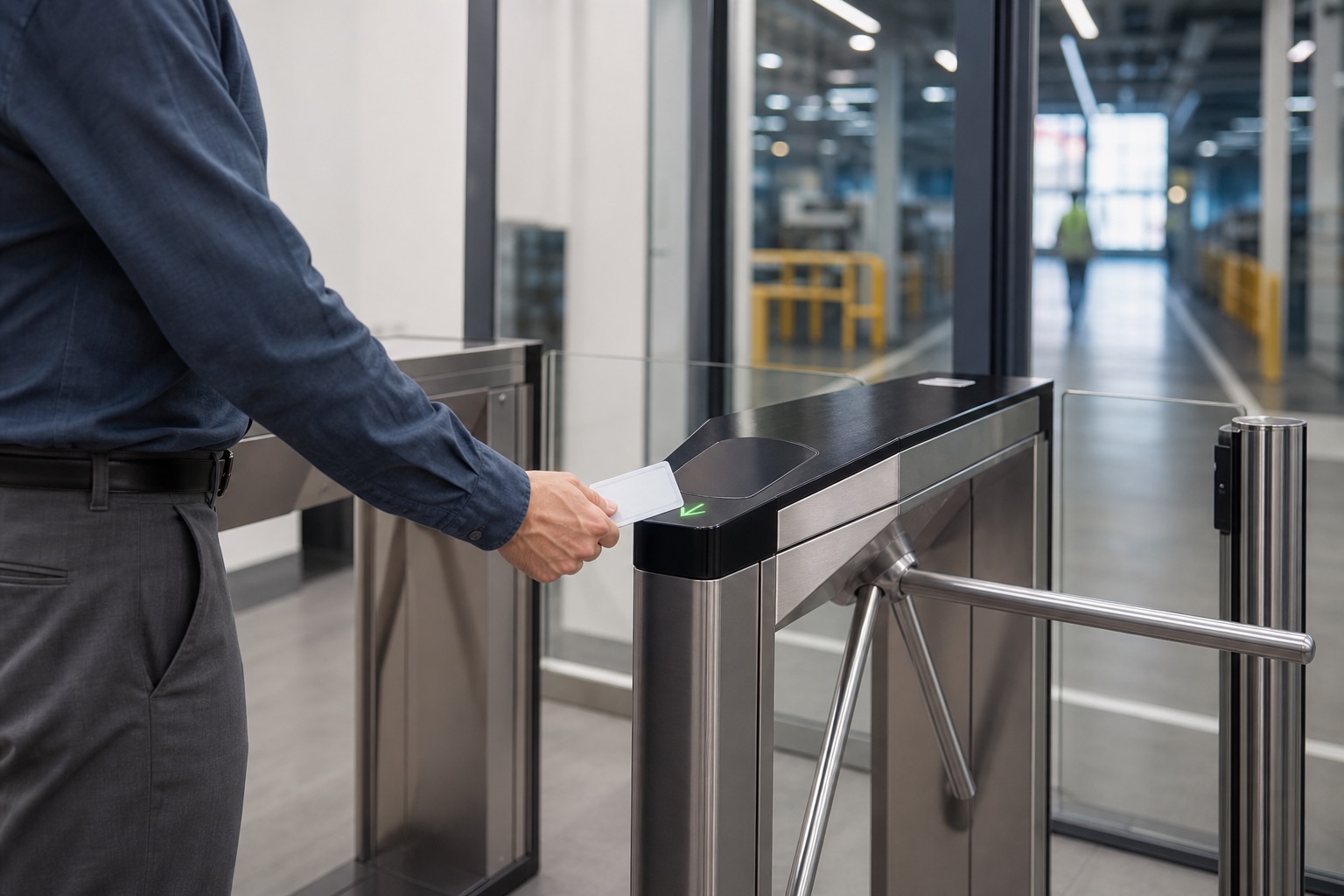
The turnstile, hallway or gate physically allows or blocks passage, but authorization depends on the system that validates the user. That is why it is necessary to define how each employee is identified, what permissions they have and what equipment must clear the passage.
- Identification The employee is identified by card, key fob RFID/MIFARE or other compatible system.
- Reader The reader validates the credential and sends the request to the control system.
- Controller / software The system checks permissions, schedules, authorized areas and access rules.
- Opening If the employee is authorized, the turnstile, corridor or gate frees the passage.
Regular configuration for employee entrance
The usual configuration for an employee entrance combines a physical passage element, RFID/MIFARE readers, credentials and a controller or authorization software. The objective is that only authorized people can access and that the passage is comfortable for daily use.
In industrial or warehouse environments, the tripod turnstile is usually a common option due to its robustness and individual pitch control. In offices, corporate headquarters or buildings with greater aesthetic demands, a speed gate may be considered. In both cases, it is advisable to provide a PMR passage or accessible alternative for people with reduced mobility, visitors, suppliers or specific accesses.
The exact configuration depends on the number of employees, shifts, flow entry and exit, existing credentials, access location and required security level.
- Tripod turnstile or speed gate depending on the environment and flow of people.
- Gate or PMR passage for accessibility and specific access.
- RFID/MIFARE readers for employee identification.
- RFID/MIFARE credentials: cards, keychains or bracelets as appropriate.
- Controller or authorization software authorization.
- Management of permits, schedules and zones if the system allows it.
- Possible coexistence with time and attendance if the project requires it.
If the solution uses cards, keychains or bracelets, we also review the RFID/MIFARE credentials suitable for installation.
What do we review before quoting?
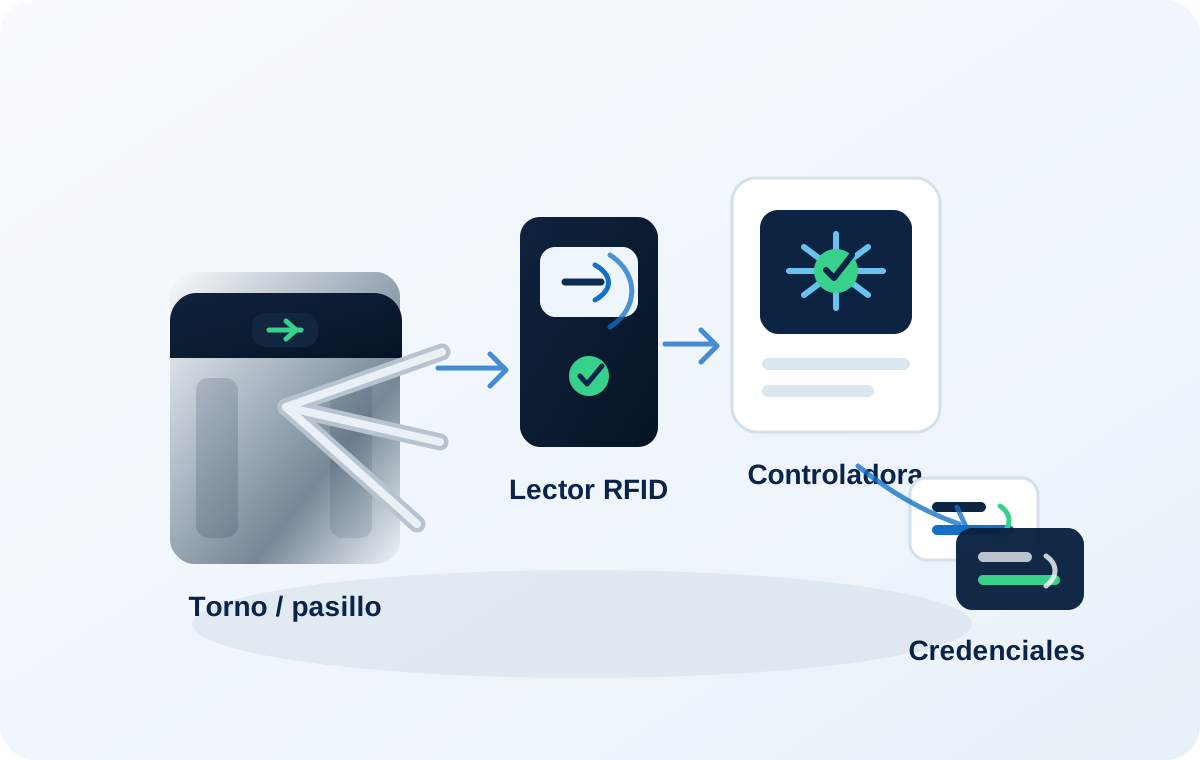
Each employee entrance has a different use. Before recommending a solution we review the space, the flow of people and the actual way in which access is used each day.
Employee flow
We analyze how many people enter daily, if there are entry peaks, shift changes or concentrated exits.
Type of installation
A corporate office is not the same as a factory, industrial warehouse, warehouse or logistics center.
Available space
We review the width of the passage, the location of the equipment and if there is enough space for the usual flow.
Accessibility and PMR passage
We assess whether a wider accessible gate or passage should be included for special uses or people with mobility. reduced.
Credentials existing
If the company already uses cards, keychains or credentials, compatibility with readers and control system is reviewed.
Time and attendance
We check if the client only needs to control physical access or also record clockings and working days.
Power and network
We verify needs for electrical power, wiring, data network and location of controllers.
Security level
We define whether basic control is sufficient or if requires management by users, schedules, zones or profiles.
Common mistakes to avoid
An employee access must be designed with daily use in mind. If only the physical equipment is chosen without reviewing the flow, permissions and accessibility, problems can arise from day one.
- Choose a turnstile without reviewing the actual flow of employees.
- No anticipate input peaks or shift changes.
- Confusing access control with time and attendance.
- Do not include PMR step or accessible alternative when necessary.
- Assume compatibility with existing cards or software.
- Do not check the power supply, data network or wiring.
- Choose equipment that is too basic for an environment of intensive use.
- Do not define how employee registrations, cancellations and permissions will be managed.
Elements that can be part of the solution
Depending on the type of entry and the level of control required, the solution can combine different elements. The key is that the physical equipment, the reader, the controller and the credentials work in a coordinated manner.
Tripod turnstiles
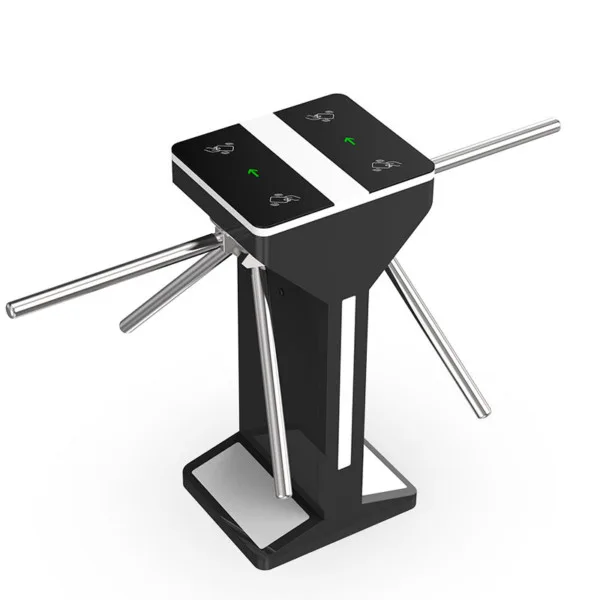
Suitable for controlling individual passage at employee entrances, warehouses, factories or warehouses.
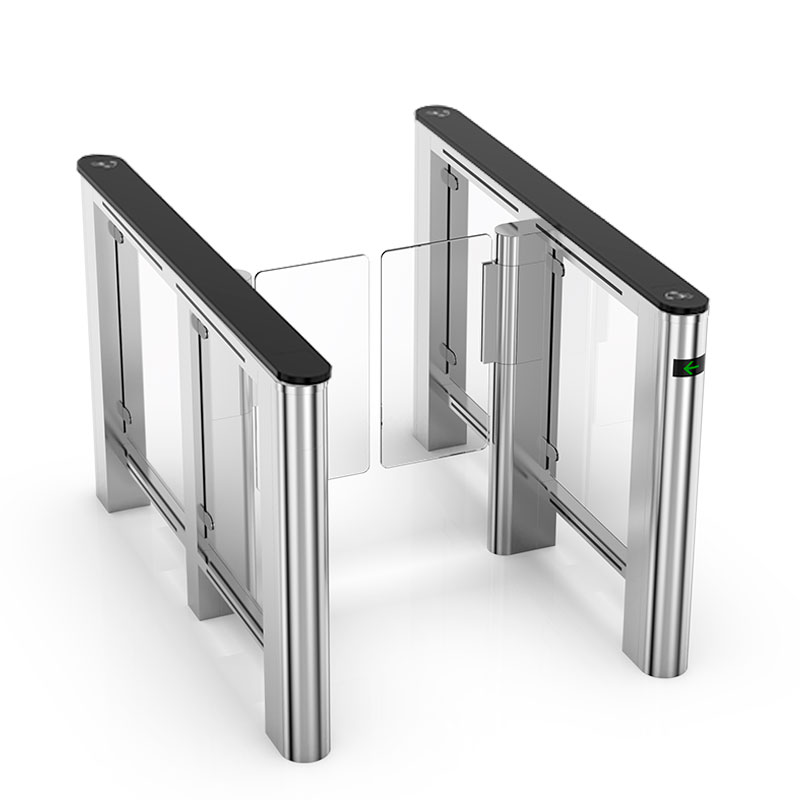
Speed gates
Indicated for accesses with greater aesthetic demands or more comfortable flow in offices and corporate buildings.
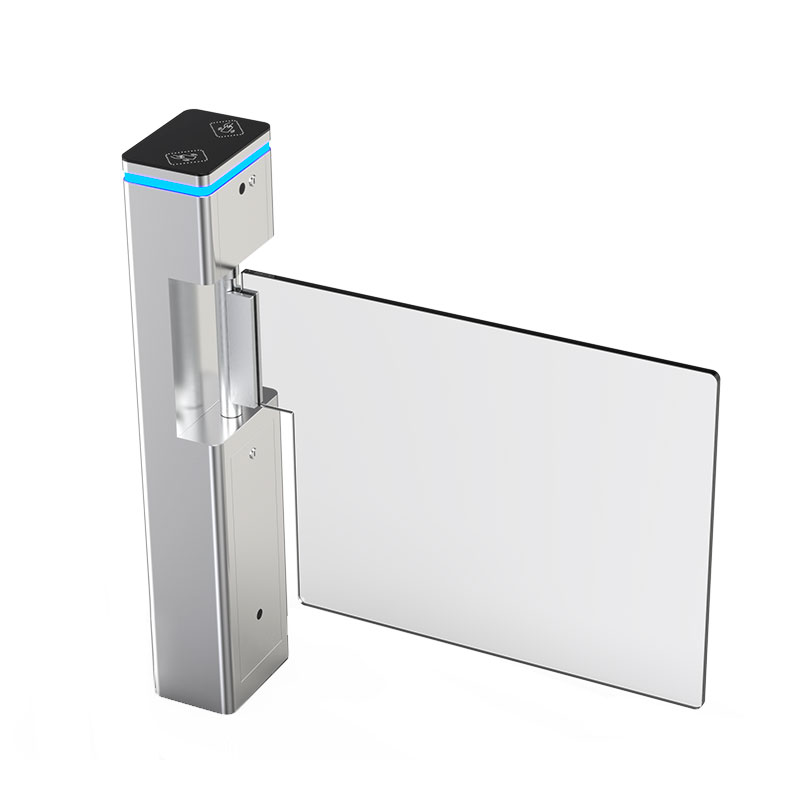
PMR portholes
They allow a wider passage for people with reduced mobility, visits, suppliers or specific uses.
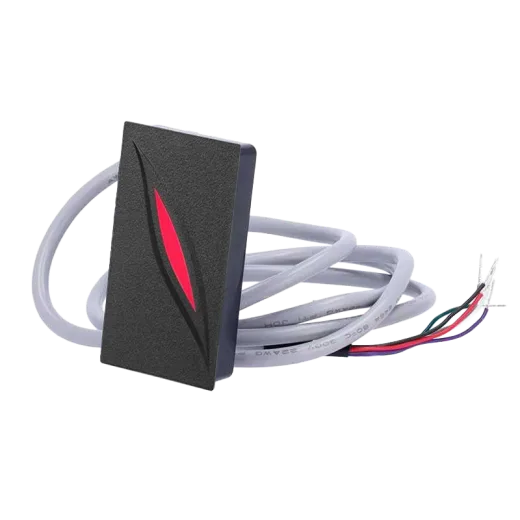
RFID/MIFARE readers
They identify the employee by card, keychain or compatible credential before authorizing passage.
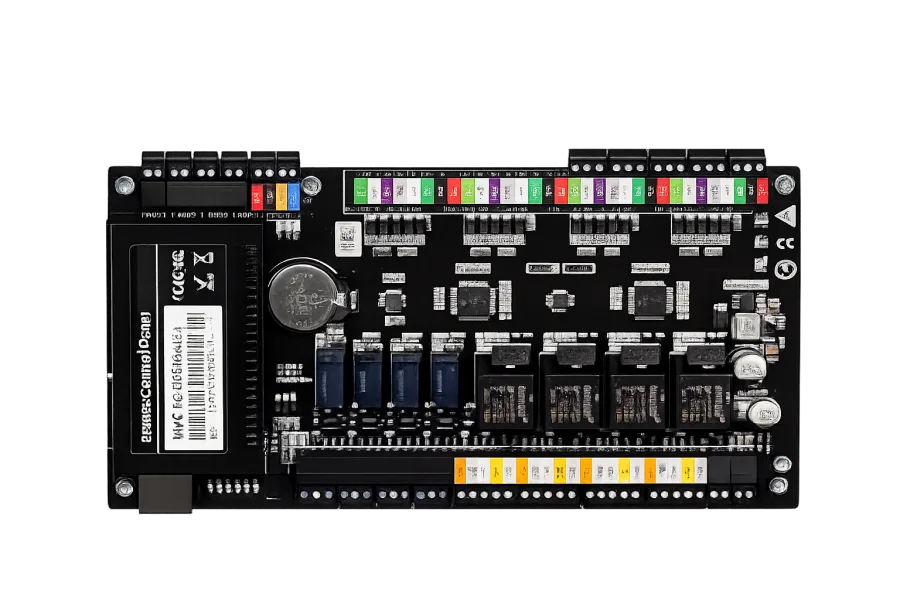
Controllers and software
They validate permissions, schedules and access rules, and can record movements if the system is prepared for it.
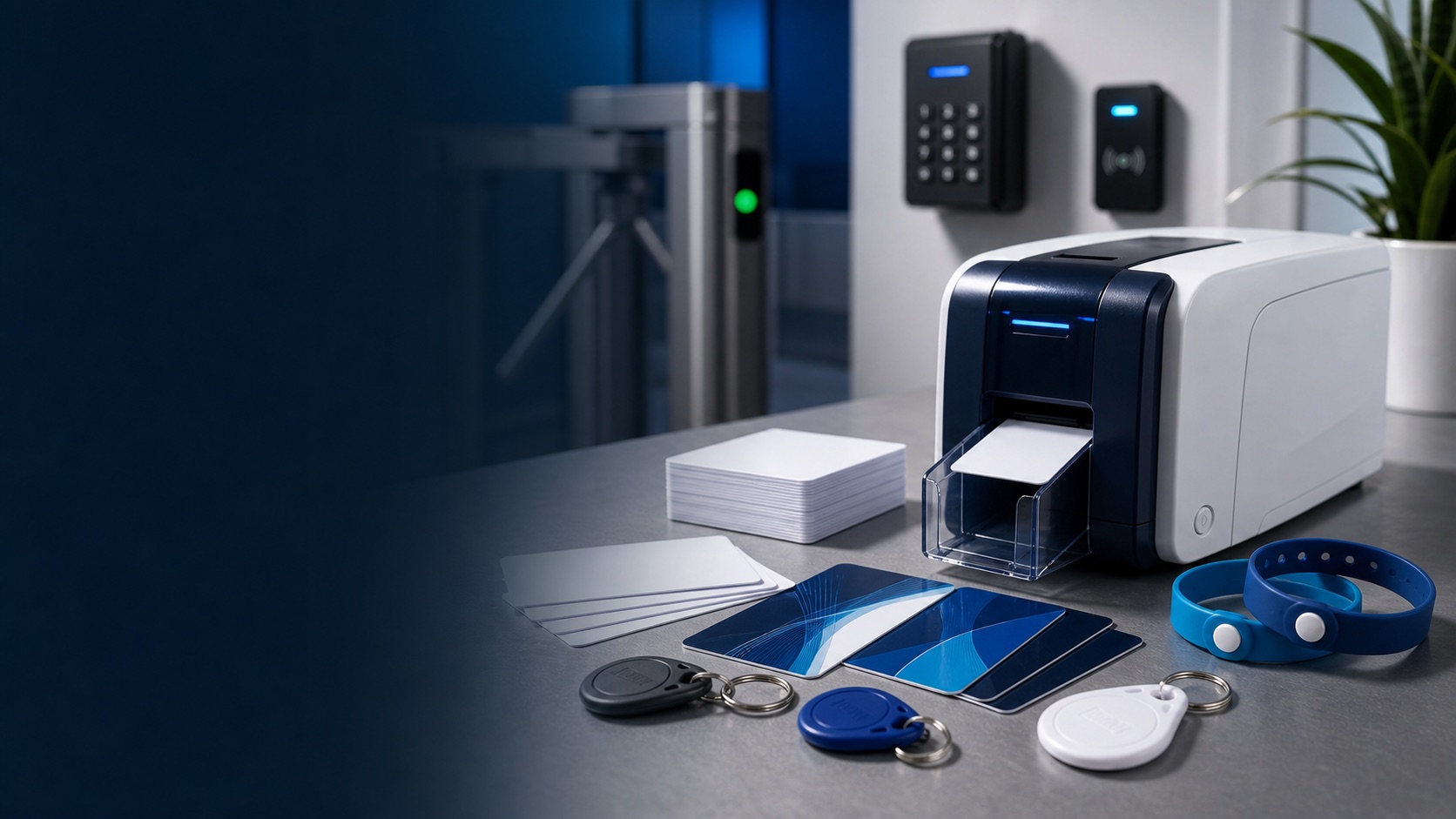
Credentials RFID/MIFARE
Cards, keychains or bracelets to identify employees, authorized personnel or temporary visits.
The choice of equipment depends on the environment, the flow of employees, the existing credentials and the level of control required.
FAQ
Frequently asked questions
Is access control the same as time and attendance?
No. Access control decides who can pass through an area or facility. time and attendance records clockings, days and work times. They can coexist in the same project, but it is advisable to define what exactly the company needs.
Which equipment is best for employees: turnstile or speed gate?
It depends on the environment, the flow of people and the image you want to maintain. In industrial environments a tripod turnstile may fit. In offices or corporate buildings, a speed gate may be considered. The case must be reviewed before recommending.
Can RFID cards or key fobs be used?
Yes. It is common to identify employees with RFID/MIFARE cards, keychains or credentials. If credentials already exist in the company, you must first check compatibility with readers and control system.
Can access be controlled by shifts or schedules?
Yes, if the system includes time-based permission management. In that case, access can be assessed by user, shift, profile or zone, always according to the capabilities of the software and the chosen configuration.
Is it necessary to include a PMR step?
It depends on the installation and the applicable regulations, but it is highly recommended to provide an accessible alternative of greater width for people with reduced mobility, visitors, suppliers or accesses punctual.
What happens if I already have a clocking system?
If there is already a time and attendance system or clocking, you must first check if it can also act on access control or if it is advisable to keep both systems separate. It is not advisable to assume compatibility without checking it.
Who coordinates the commissioning of the system?
ACERIS helps you define the solution and coordinates the project with Qualicard. The installation and commissioning is carried out by the brand's technical team or authorized installers depending on the project.
Proposal
Request a proposal for this access
Do you want to control the entry of employees?
Tell us what your access is like, how many employees use it and what level of control you need. We help you define the combination of turnstile, aisle, reader, controller and credentials that best fits your facility.
Or contact us by phone or email